Season 2 · 636 – 1453
The Middle Ages: conquests, invasions and the birth of kingdoms
Ten key events of the Middle Ages that changed the world, from the Levant to Scotland and from Central Asia to England: Yarmouk, where the Arab armies defeat Byzantium; Tours and Charles Martel; Talas, between Chinese and Abbasids, and the road of paper to the West; Hastings and the Norman conquest of England; Manzikert, which opens Anatolia to the Turks; the sack of Baghdad by the Mongols; Ain Jalut, where the Mamluks stop them; Bannockburn and Scottish independence; Agincourt; the fall of Constantinople in 1453.
Each article tells the event through the sources of the time, explains what was at stake, then follows its consequences in the short, medium and long term. Disputed figures are given with their authors, and every claim links to its source.
1 of 10 articles published
Articles in this series
636
Yarmouk: the Arab armies defeat Byzantium · Coming soon
732
Tours: Charles Martel · Coming soon
751
Talas: the Chinese against the Abbasids · Coming soon
1066
Hastings: William conquers England · Coming soon
1071
Manzikert: Anatolia opens to the Turks · Coming soon
1258
The sack of Baghdad: the Mongols end the Abbasid caliphate · Coming soon
1260
Ain Jalut: the Mamluks stop the Mongols · Coming soon
1314
Bannockburn: Scotland keeps its independence · Coming soon
1415
Agincourt: the English archers and the French knights · Coming soon
1453
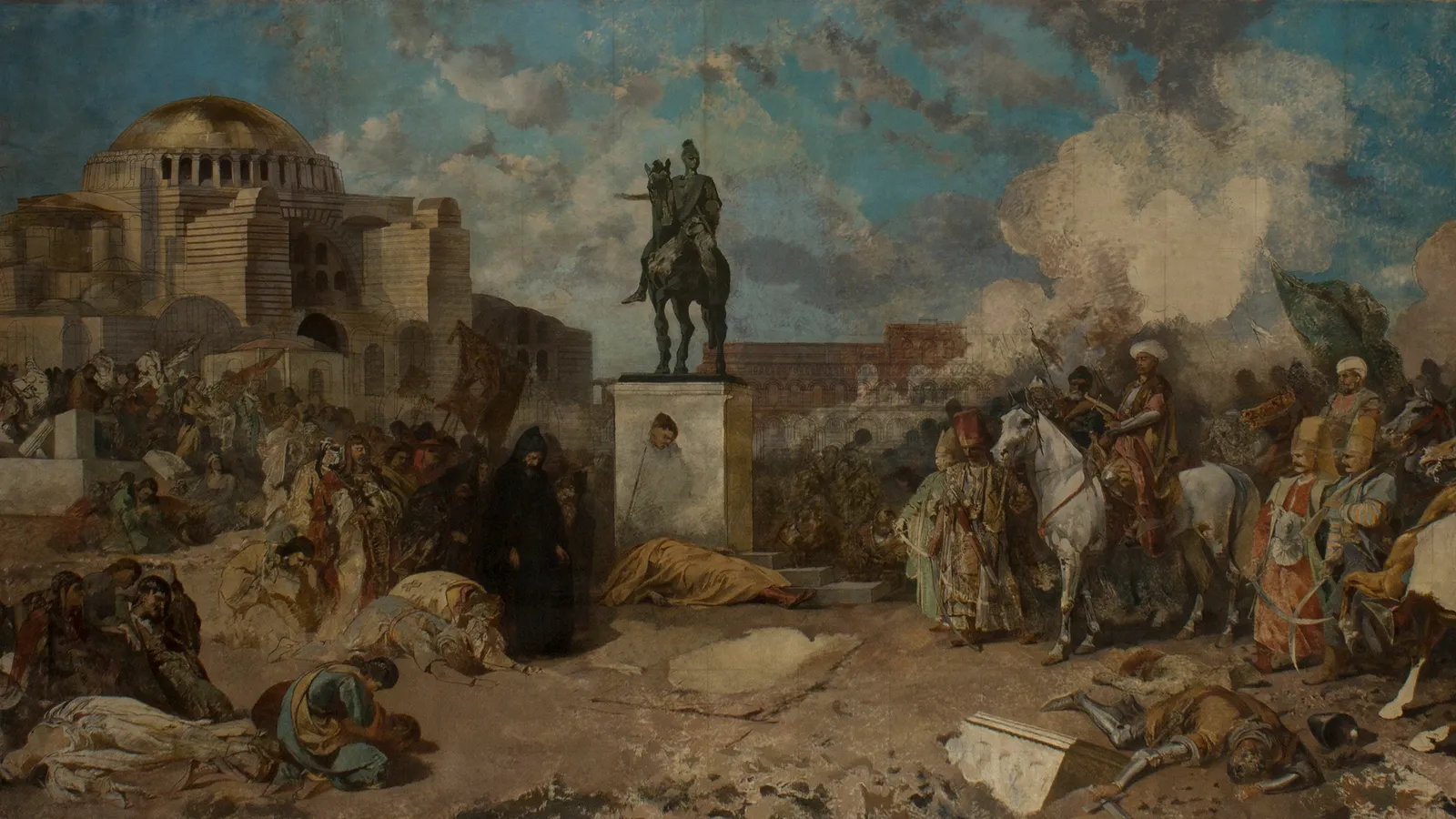 The Fall of Constantinople in 1453 and Its Consequences29 May 1453: Mehmed II takes Constantinople. The siege, the stakes, then what followed: a tolled Bosphorus, a Europe seeking a way round, contested straits.